What is Classic Nectarine Bars?
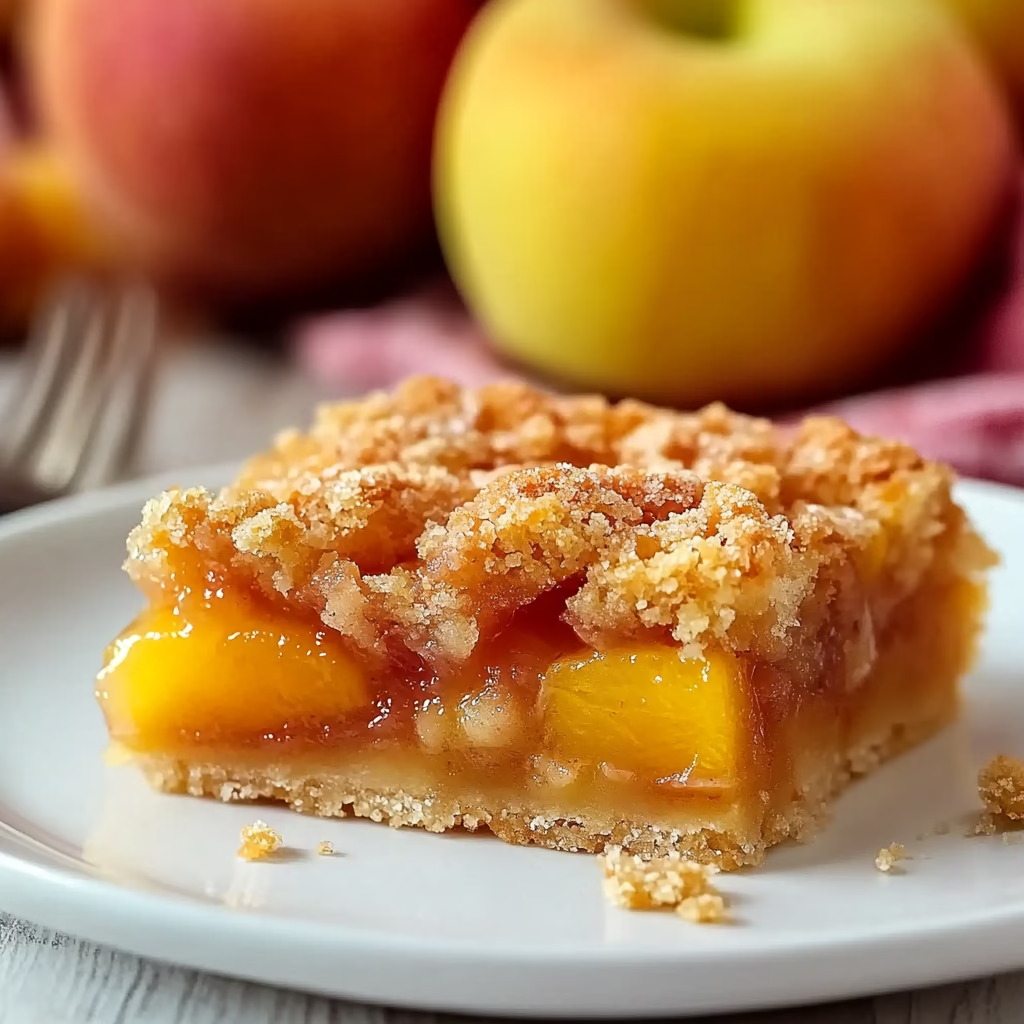
Classic Nectarine Bars are a timeless dessert that marries the sweetness of fresh summer fruit with a flaky buttery crust and a cinnamon-kissed filling. The bars originated as a rustic adaptation of fruit tarts, designed to be portable and shareable for family meals and picnics. My grandmother first introduced me to this recipe during a breezy summer evening on the coast—a time when ripe fruit and butter-rich pastry filled every kitchen with warmth and toasty aromas.
What makes these bars special is the delicate balance of textures. The base, a tender crumb cake, cradles a silky nectarine filling thickened with cornflour for just the right amount of jiggle without being gloopy. A crunchier crumb topping, dusted with nutmeg and brown sugar, binds the layers together into a golden masterpiece. They’re a celebration of simplicity, crafted with love and intention.
While the recipe is rooted in tradition, it’s been adapted to suit modern home kitchens. The process stays true to its old-world roots, where fresh ingredients and careful attention to detail turned humble components into something extraordinary.
Reasons to Try Classic Nectarine Bars
Cooking Classic Nectarine Bars is like bottling a slice of summer. The aroma of cinnamon and ripe fruit in the oven has a way of transporting you to sun-drenched memories. Whether you’re a seasoned baker or a kitchen-newcomer, these bars are forgiving and satisfying to make. They’re ready in just 90 minutes, making them perfect for families craving a fresh dessert or for busy cooks who want indulgence without hours of labor.
What sets these bars apart is their versatility. You can enjoy them warm with a scoop of vanilla ice cream or chilled as a morning treat with coffee. They’re also a canvas for personal touches—swap nectarine varieties, adjust the spice blend, or fold in other summer fruits like peaches. The recipe invites creativity while holding its comforting essence.
My mother loved these bars for their adaptability during gatherings. On days when the fruit ran short or the kitchen was chaotic, a few tweaks turned them into something new. It’s a dish that embraces you, no matter your pace or resources, and rewards you every time.
Ingredients Needed to Make Classic Nectarine Bars
All-purpose flour (I always use King Arthur for its reliability)
Cold unsalted butter (cubed; Kerrygold brings a subtle creamy richness)
1 large whisked egg (fresh is key for binding)
White sugar (granulated for the crust and filling)
Dark brown sugar (adds depth to the topping)
Ground cinnamon and nutmeg (fresh spices elevate the flavor)
Ground cornflour (essential for that perfect nectarine texture)
Freshly squeezed lemon juice (use organic lemons for brightness)
Sliced nectarines (peeled and cut into 1/4-inch pieces; choose freestone varieties for easier prep)
Vanilla essence (pure for that floral note rather than artificial)
Baking powder (helps lift the filling slightly)
Salt (balances the sugars and spices)
Instructions to Make Classic Nectarine Bars
Step 1: Preheat your oven to 350°F, then generously line a 9×13-inch baking dish with aluminum foil. This step isn’t just for convenience—it preserves the delicate layers of the bar’s crust and prevents any sad, stuck edges. Spray the foil with cooking spray, ensuring you cover every corner, especially where the buttery dough might cling.
Step 2: In a large food processor, combine the all-purpose flour, baking powder, and sugars. The granulated and brown sugar mixture creates a sweet-savory foundation, while the nutmeg and cinnamon infuse warmth. Add cubed butter—cold but not frozen—to the processor. Pulse gently to create a crumbly consistency, like coarse sand. This texture is crucial for the dough’s ability to hold shape.
Step 3: With the motor running, pour in the whisked egg slowly. The steam from the oven will begin melting the butter into the mixture, but the egg binds it together. If the dough feels resistant, transfer it to a bowl and work it with your hands. This tactile moment is where the “magic happens,” as my grandmother used to say—pressing the dough until it feels like a damp garden loam.
Step 4: Press half the dough into the baking dish, creating an even layer. Smooth the surface with your hands for a stable base that won’t crack under the weight of the filling. Place the dish in the oven and let the crust set for 15 minutes while you prepare the nectarines. This brief bake firms up the dough just enough to hold the juicy fruit.
Step 5: For the filling, gently toss the nectarine slices with white sugar and cinnamon until every piece is gilded with spice. You’ll notice the sugar beginning to draw out the fruit’s natural juices—a sign it’s ready to thicken. In a small bowl, whisk cornflour, lemon juice, and vanilla essence until a pale, viscous batter forms. Pour this over the nectarines and fold it in with a spatula, ensuring it coats every inch without bruising the fruit.
Step 6: Using a slotted spoon, transfer the fruit mixture to the crust. This step keeps excess liquid from pooling in the base, which could lead to a sad, soggy bar. Leave most of the juices behind but save a few drops to drizzle back after spreading your topping. The foil becomes your ally here—once you remove the bar from the pan, the slices drop cleanly onto the cutting board for serving.
Step 7: Sprinkle the remaining crumb topping over the nectarines, pressing it gently to create an even layer. Return to the oven for 40-45 minutes. Watch for the golden-brown top and telltale caramelized nectarines with a light sheen from the cornflour. The kitchen will transform into a toasty, sweet haven, and you’ll feel the calm of a recipe that’s come to life.
Chef’s Tips for a Perfect Result
- Cold butter matters: Chill cubes in the freezer for 10 minutes before adding to the food processor. This prevents melting into the dry ingredients and ensures a flaky texture.
- Bake the crust first: Partially baking the base locks in moisture without overcooking. Look for a faintly golden color and a firm press of your finger into the dough when done.
- Don’t overcoat the fruit: Use a slotted spoon to drain excess moisture but reserve a few tablespoons of nectarine juices. A drizzle over the crumb before adding the topping enhances flavor without sacrificing the base.
- Ripeness is key: Choose nectarines that give slightly when squeezed. Underripe fruit will be tart and mealy, while overripe will waterlog the filling.
- Let them settle: Resist slicing until the bars are fully cooled. The cornflour-based filling firms during this time, creating clean, neat bar portions without messy slumps.
Variations and Substitutions
Vegan Option: Replace the whisked egg with a ripe banana blended to a smooth paste. Use vegan butter with a high melting point to mimic the richness of dairy. The result is lighter and nuttier, perfect for plant-based kitchens.
Gluten-Free Alternative: Swap the all-purpose flour for a 1:1 gluten-free blend with xanthan gum. The crumb may be slightly more crumbly but no less flavorful. Pair with gluten-free coffee for a true allergy-friendly spread.
Low-Carb Version: Substitute half the flour with almond flour. Replace cornflour with a small amount of psyllium husk. The bars gain density and almond richness, though you may need to adjust baking time by 5-10 minutes.
Budget Swap: Use frozen nectarines (thawed and drained thoroughly). Add a splash of lime juice for brightness, and reduce the cinnamon by 1/4 teaspoon to match the acidity. This swap works especially well in winter months.
How to Serve and Pair
These bars sing when paired with the right flavors. A dollop of fresh whipped cream or a scoop of vanilla ice cream, lightly swirled with mascarpone, enhances the fruit’s natural sweetness. Serve them on a wide wooden platter at summer picnics, or slice thinly for a dessert bar at potlucks. For a touch of nostalgia, dust each piece with confectioners’ sugar before serving.
A crisp, off-dry Riesling or a chilled glass of coconut milk tea complements the cinnamon-kissed fruit. If you’re making the vegan version, try pairing with hibiscus iced tea for a tangy contrast. For brunch, warm bars with a drizzle of chocolate sauce and a sprig of mint for visual flair.
My family’s favorite ritual was serving them with fresh-brewed coffee after evening walks. The bars’ aroma mingled with the cool night air, creating lasting memories. They’re equally at home as a morning treat or a late-night snack—just cut smaller for those moments when comfort is needed in modest bites.
Storage and Reheating
Refrigerator: Place leftovers in an airtight container and refrigerate for up to 3 days. To maintain crumbly texture, store individual slices wrapped in parchment. The filling may thicken slightly from the chill.
Freezer: Cool completely before slicing. Place unwrapped bars on a baking sheet to freeze, then transfer to a freezer-safe ziplock bag for up to 3 months. Reheating from frozen ensures maximum flavor retention.
Room Temperature: Keep in a cool, shaded spot for up to 12 hours. However, if made with brown sugar in the topping, they may soften slightly after a few hours.
Reheating: Warm a slice in the oven at 300°F for 10 minutes for a comforting, bakery-fresh result. A quick 15-second microwave blast revives them for a soft, gooey center, but avoid overheating, which can melt the topping. Always reheat individual slices to preserve the uncooked portion.
Frequently Asked Questions
Can I substitute fresh nectarines with canned fruit in Classic Nectarine Bars?
Yes, but choose packed-in-juice canned nectarines. Drain thoroughly and blot with paper towels to remove excess moisture. Canned fruit yields a softer texture and more controlled sweetness than fresh.
How do I know when the bars are fully baked?
The bars are done when the top is golden and crunchy, and the filling is bubbling slightly around the edges. Press one corner gently—it should spring back fully. A firm but bouncy texture indicates the cornflour has thickened the juices properly.
Why does my crust keep cracking during baking?
Over-processing the dough leads to a dry, crumbly base. Use the food processor only until the flour clumps slightly. If the dough feels too stiff, add 1-2 tablespoons of milk before pressing into the dish for a slightly tacky consistency.
Can I prepare the dough and topping ahead of time?
Absolutely. Make the dough and crumb topping the night before, store separately in airtight containers in the fridge. When ready to bake, press the base into the dish and assemble the filling for optimal flavor. This makes weekend baking easier.
What’s the best way to customize the spicing for Classic Nectarine Bars?
Adjust warm spices like ginger or cardamom for a twist. A pinch of nutmeg in the filling adds earthy warmth. Conversely, reduce cinnamon by half if you prefer a subtler fruit-forward taste. My mother loved adding 1/2 teaspoon of ground cloves for winter baking.
Conclusion
Classic Nectarine Bars are a tribute to the simplicity of summer, where fresh fruit and buttery textures become a memory on a plate. They’re more than a dessert—they’re a conversation in cinnamon-spiced air, a recipe that invites you to linger with loved ones. The burst of sun-ripened sweetness in the crumb is what truly makes them unforgettable, a flavor that tastes like warmth and connection.
Print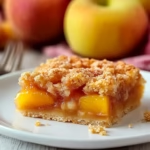
Classic Nectarine Bars
- Prep Time: 25 minutes
- Cook Time: 60 minutes
- Total Time: 85 minutes
- Yield: 16 bars 1x
- Category: Dessert
- Method: Baking
- Cuisine: American
- Diet: Vegetarian
Description
Classic Nectarine Bars feature a buttery crumb crust and topping with a sweet, juicy nectarine filling flavored with cinnamon, lemon, and vanilla.
Ingredients
- 3 cups all-purpose flour
- 1 large egg, lightly whisked
- 1 cup cold unsalted butter, cubed
- ¼ tsp ground nutmeg
- ½ cup white sugar
- ¼ tsp salt
- ½ cup brown sugar
- 1 tsp ground cinnamon
- 1 tsp baking powder
- ½ cup white sugar, for filling
- 1 tbsp lemon juice, freshly squeezed
- ¼ tsp ground cinnamon, for filling
- 3 tbsp cornflour or cornstarch
- 5 cups sliced nectarines, about 5–6 medium nectarines, peeled and sliced into ¼-inch pieces
- 1 tsp vanilla essence or vanilla extract
Instructions
1. Preheat oven to 350°F.
2. Line a 9×13-inch baking dish with aluminum foil and spray it with cooking spray.
3. In a large food processor, combine flour, brown sugar, white sugar, baking powder, cinnamon, nutmeg, and salt. Pulse until well mixed.
4. Add the cold cubed butter and pulse until the mixture forms crumbs.
5. Add the whisked egg and pulse until a dough begins to form. If needed, transfer to a bowl and finish mixing by hand.
6. Press slightly more than half of the dough mixture into the bottom of the prepared baking dish to form the crust.
7. Bake the crust for 15 minutes, then remove from the oven.
8. While the crust bakes, gently mix nectarine slices, white sugar, and cinnamon in a large bowl.
9. In a small bowl, whisk together cornstarch, lemon juice, and vanilla until smooth.
10. Pour the cornstarch mixture over the nectarines and gently fold until evenly coated.
11. Using a slotted spoon, transfer the nectarines over the partially baked crust, leaving behind most of the juices.
12. Sprinkle the remaining crumb mixture evenly over the nectarine layer.
13. Bake for 40–45 minutes, or until the topping is golden brown.
14. Cool completely, then use the foil to lift the bars from the dish.
15. Cut into squares and serve.
Notes
Leave most of the nectarine juices behind when layering the filling to help prevent a soggy crust.
Cool completely before slicing for the cleanest bars.
Store leftovers in an airtight container in the refrigerator.
Nutrition
- Serving Size: 1 bar
- Calories: 190
- Sugar: 19g
- Sodium: 55mg
- Fat: 10g
- Saturated Fat: 6g
- Unsaturated Fat: 3g
- Trans Fat: 0g
- Carbohydrates: 25g
- Fiber: 1g
- Protein: 2g
- Cholesterol: 35mg