Apricot Bars have been a quiet hero in my family’s holiday traditions for decades. My mother perfected them each Christmas Eve, turning soft dried fruit into tender morsels that balanced sweetness with texture—a recipe born from her own grandmother’s kitchen and filled with generational warmth. What makes these bars special isn’t just their flavor, but the way they bring people together, whether in the clatter of mixing bowls or the shared joy of cutting them into perfect squares. These apricot bars are more than a dessert; they’re a love letter to comfort, simplicity, and the kind of baking that feels like embracing memory itself.
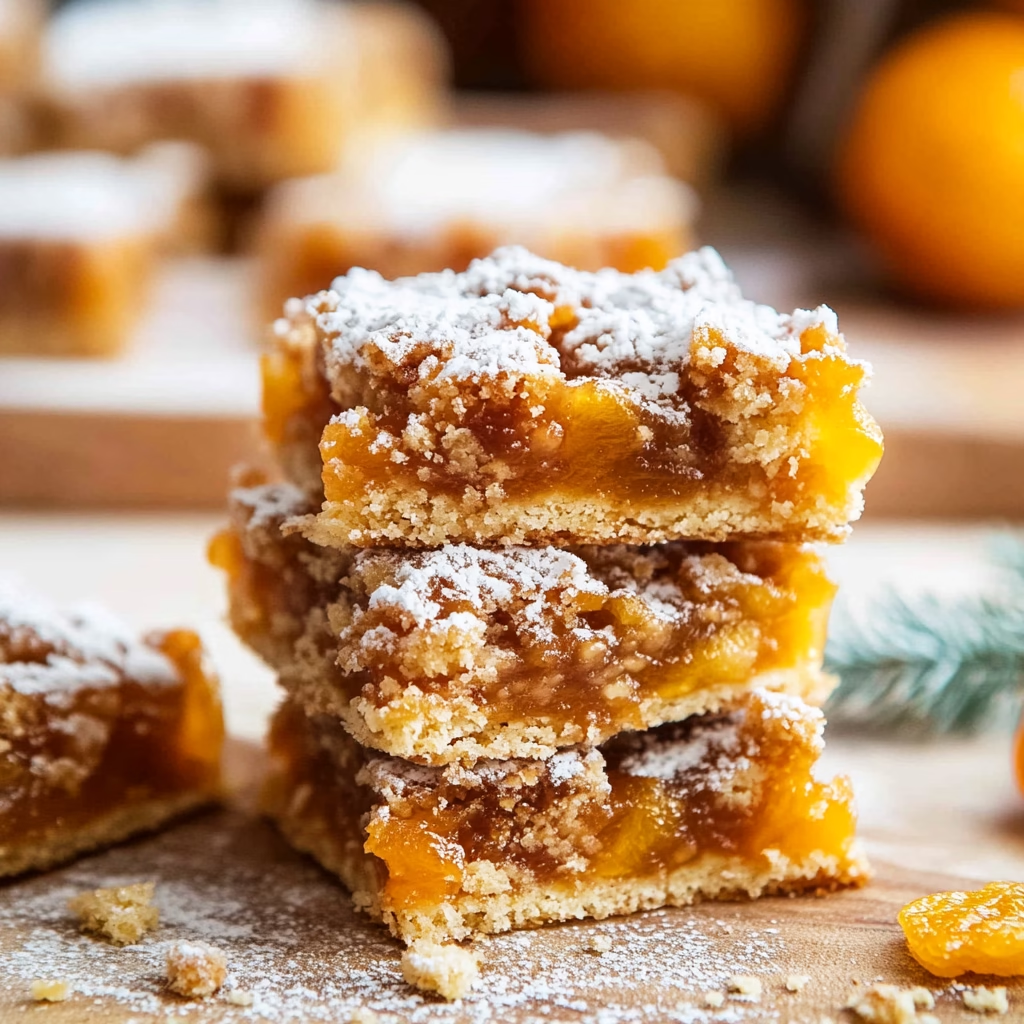
Each bite tells a story through layers that melt into one another: a buttery, crumbly crust cradling a chewy filling of plump apricots, toasted walnuts, and golden coconut. The powdered sugar dusting at the end isn’t just decoration—it’s the final touch that makes them feel like a holiday gift wrapped in pastry. With just a handful of ingredients and simple steps, these apricot bars prove that the most meaningful recipes often require the purest techniques. Ready to create your own version of this cherished classic?
What is Apricot Bars?
Apricot Bars are a humble baked dessert that celebrates the natural richness of dried fruit. Their origins trace back to Central European kitchens, where dried apricots were often preserved for winter cooking. Traditionally filled with chopped fruit, nuts, and sometimes dried spices, these bars transform modest pantry staples into a luxurious treat. The star of the show is the dried apricot: when rehydrated, softened, and folded into a batter with brown sugar, it becomes a golden, plump centerpiece. Combined with walnuts for crunch and sweetened coconut to add moisture and nuttiness, each element contributes to a balance of flavors that feels both indulgent and nostalgic.
The buttery shortbread crust grounds the bars with a crisp base that contrasts the tender filling. It’s a technique my mother learned from a neighbor who once traveled through Greece, where she fell in love with layered fruit desserts. The recipe evolved over time, eventually becoming a winter staple where apricots weren’t always seasonal, but memories of their sun-kissed sweetness were worth holding onto. What sets these bars apart isn’t complexity, but how they marry simplicity with soul—every ingredient has a reason to be there, and every bite feels like a story unfolding.
Reasons to Try Apricot Bars
Apricot Bars are a recipe that whispers rather than shouts, offering layers of flavor without asking for hours in the kitchen. In their golden simplicity lies a depth that surprises even seasoned bakers. The chewy filling holds moisture without becoming soggy, thanks to the careful balance of brown sugar and flour. The nuts and coconut add an earthy, slightly toasted complexity that feels like a warm hug on a cold winter morning. For those who love to connect through cooking, this is an invitation to build something lasting with ingredients that cost little but give much.
They’re beginner-friendly proof that baking can be a meditative ritual. The steps are straightforward, the tools minimal—no fancy equipment or rare spices are needed. And for families, they become a collaborative project where generations can pass down techniques like “fold gently” or “press the crust as if it’s clay.” Busy cooks will appreciate the single-dish preparation and how the crust and filling unite in one pan. At 16 bars, they make for a versatile offering: an afternoon snack with tea, a festive dessert alongside coffee, or even a thoughtful homemade gift tied with ribbon.
Ingredients Needed to Make Apricot Bars
– ½ cup butter, softened (for the crust)
– ¼ cup granulated sugar (to sweeten the base)
– 1⅓ cups all-purpose flour, divided (1 cup for the crust, ⅓ cup for the filling)
– ⅔ cup dried apricots (softened and chopped for a fruity core)
– 2 large eggs (beaten to smooth the binding for the filling)
– 1 cup brown sugar, packed (providing moisture and depth)
– ½ teaspoon baking powder (helping the filling puff slightly during baking)
– ¼ teaspoon salt (balancing the sweetness)
– ½ teaspoon pure vanilla extract (adding warmth to the filling)
– ½ cup chopped walnuts (for a toasty crunch)
– ½ cup sweetened flaked coconut (enhancing texture and sweetness)
– 1 cup powdered sugar (dusted over the cooled bars as a finishing touch)
Instructions to Make Apricot Bars – Step by Step
Step 1: Begin by softening your butter to the right consistency—too cold, and it won’t blend smoothly with the sugar and flour. I always let dairy sit in the kitchen for about an hour before starting, which helps avoid over-softening. In a mixing bowl, combine the butter and ¼ cup granulated sugar, blending until it becomes a crumbly, yet cohesive mixture. Gradually add 1 cup of all-purpose flour, pressing your fingers into the dough as you go. This tactile process reminds me of my grandmother’s hands guiding mine years ago, teaching me that pastry starts with patience and a gentle touch.
Step 2: Transfer the crust mixture to your 8×8-inch baking dish, either greased with cooking spray or lined with parchment paper. Press it firmly into the corners and center, ensuring the base is even but not packed too tightly. A perfect crust should be sturdy but not dense. Bake at 350°F (175°C) for 15 to 18 minutes, just until the edges turn a soft gold. Resist the urge to overbake here—the crust’s purpose is to provide structure, not a brittle base. When it’s done, let it cool for about 5 minutes; the filling needs a warm surface to adhere correctly, but hot enough to prevent sogginess.
Step 3: While the crust cools, prepare the apricot filling. In a small saucepan, cover the dried apricots with enough water to submerge them and bring to a gentle boil. Simmer for about 10 minutes, stirring occasionally, until the fruit yields like a ripe summer peach. Drain thoroughly, pat them dry if needed, and chop them into small, irregular pieces to distribute even flavor. This step awakens the apricots from their dried form, turning them into a plump star that carries the aroma of preserved sunshine into any kitchen.
Step 4: In a separate medium bowl, beat the eggs with the brown sugar and vanilla extract until they form a smooth, uniform mixture. The warmth of the vanilla blends with the sugar’s caramel notes, setting the foundation for the apricot’s natural tartness. Add the chopped apricots, walnuts, and sweetened coconut now—gentle folding ensures the nuts don’t sink into the pan or the fruit clump together. The contrast of textures is critical here; imagine a mosaic of flavors waiting to unite under heat.
Step 5: Stir in the remaining ⅓ cup of flour, baking powder, and salt directly into the fruit and nut mixture. This isn’t the place to mix furiously—gentle incorporation prevents overdevelopment of gluten, which could make the filling rubbery. Once the batter is just combined, spread it evenly over the warm crust, using a spatula or offset knife to smooth the surface without disrupting the base. Return the dish to the oven and bake for another 30 minutes, monitoring the fillings for signs of puffing and a toothpick test that emerges clean. As it bakes, the scent of apricots and toasted nuts will start to mingle like old friends rediscovering a shared story.
Step 6: Once fully baked, let the pan rest at room temperature for at least an hour. Cutting them too soon risks tearing their delicate structure. When they’re cooled, dust each bar generously with powdered sugar using a fine sieve. The sugar’s sweetness isn’t just for flavor—it’s an echo of how desserts used to be passed around in small jars to spread joy during leaner winter months. Package them carefully in airtight containers if giving as gifts, or serve them simply with a knife and a pot of steaming tea. The first bite should be a revelation: warm, moist fruit resting on a buttery bed, each element harmonizing like a forgotten melody remembered just in time.
Chef’s Tips for a Perfect Result
- Rehydrate dried apricots gently in warm water to restore their plump texture without losing flavor.
- For the crust, chill the dough for 15 minutes if it becomes too soft while handling.
- Toast walnuts lightly in a dry pan before folding into the batter—this deepens their warmth and avoids bitterness.
- If substituting dried apricots with other fruits like cherries or figs, add a teaspoon of lemon juice to balance their moisture.
- Don’t skip the cooling time before cutting; warm bars will break cleanly and create a satisfying “crack” as you serve them.
Variations and Substitutions
A Vegan Option: Replace butter with coconut oil in the crust, and use a flax egg (1 tablespoon ground flaxseed + 3 tablespoons water) in the filling. The result is slightly denser but retains a tropical richness.
Gluten-Free Alternative: Swap all-purpose flour with a 1:1 gluten-free flour blend. For an extra-nutty flavor, use almond flour in the filling, ensuring it’s blanched and finely ground.
Low-Carb Version: Substitute half of the brown sugar with erythritol or monk fruit sweetener, and use a coconut flour blend in both crust and filling. Note this adds a faint coconut base flavor.
Subtropical Twist: Replace sweetened coconut with toasted coconut flakes (toasted yourself in a dry pan for 5 minutes). This adds a deeper, caramelized note while reducing sweetness from added sugar.
Budget Swap: Use Craisins or dried mango in place of apricots; reduce the powdered sugar dusting slightly. The fruit’s tanginess still pairs beautifully with walnuts, though the texture varies.
How to Serve and Pair
Serve these apricot bars at room temperature, allowing their flavors to fully open. A single bar pairs beautifully with black coffee, which balances the sweetness with bold bitterness, or a spiced chai tea that echoes the warmth of toasted nuts. For a special occasion, scatter them on a dessert tray beside shortbread cookies and dark chocolate truffles for textural contrast.
When presenting them, dust each bar with powdered sugar using a fine sieve to create an elegant, snowy look. Place them on a vintage platter or a wooden board with a sprig of rosemary, and they become an instant centerpiece. These bars are especially cherished during colder months, but in spring, pair them with fresh berries to add a tart counterpoint. For holiday gifting, wrap each bar individually in parchment paper and tie with twine for a rustic, handcrafted feel.
Storage and Reheating
Refrigerator: Store cooled bars in an airtight container for up to 5 days. To preserve their texture, add a slice of bread to the container—the starch helps maintain moisture without making the bars soggy.
Freezer: Freeze the entire unbaked bar (after Step 3 of the crust) for up to 2 months. Wrap the dish tightly in foil before freezing, and bake straight from the freezer with an extra 10–15 minutes. Alternatively, freeze baked slices for 1 month on a parchment-lined baking sheet before transferring to a freezer bag.
Room Temperature: Fully baked apricot bars can sit at room temperature for up to 24 hours in a covered container. The crust becomes slightly crisper, enhancing the contrast with the moist filling.
Reheating: To revive their warmth, place the bars on a baking sheet and heat in a 300°F oven for 5 minutes. Microwave reheating works quickly but may soften the crust unnecessarily—avoid unless short on time. For a fresh-like experience, wrap an individual bar in foil and reheat briefly on the stovetop, adding a drop of water to the wrap to gently steam the filling.
Frequently Asked Questions
Can I substitute unsweetened coconut for sweetened in the apricot bars?
Yes, but it will reduce the filling’s inherent sweetness. Add an extra 2 tablespoons of brown sugar to compensate—a small tweak that helps recreate familiar flavors.
How do I know the apricot bars are done baking?
When done, the top will puff slightly and turn a deep amber. A toothpick inserted into the center should come out clean, with just a few apricot bits clinging—no raw batter residue. The crust edges will also become firm and light gold.
Why do my apricot bars crack on the surface during baking?
Overmixing the filling is the primary culprit. The batter should remain gently textured. If cracks appear, they’re cosmetic and won’t impact the taste—often a sign your nuts or fruit were cut too finely.
Can I prepare the crust and filling a day ahead?
Absolutely. Assemble the crust and let it rest, then refrigerate the apricot filling in an airtight container for up to 12 hours. When ready, spread the cooled filling over the warm crust and bake as instructed. The flavors often meld more beautifully with a day’s rest.
What’s the best way to customize apricot bars for a gathering?
To elevate them for an event, glaze the tops with a light apricot jam drizzle instead of powdered sugar. Add orange zest to the filling for brightness or layer finely chopped dates with apricots for a dual-fruit twist that invites conversation around the table.
Conclusion
Apricot Bars are a testament to how few ingredients can craft something unforgettable. Their buttery shortbread base cradles a chewy, fruit-forward filling that feels both old-fashioned and endlessly inventive. Whether you’re baking for a holiday feast or savoring a quiet moment with a cup of tea, these bars offer a taste of tradition that whispers with warmth. The signature combination of plump apricots and toasted nuts, dusted with sugar like winter snow, is the kind of detail that makes cooking not just a routine, but a ritual.
Let these bars be your invitation to slow down, to connect with the past, and to share something sweet that lingers long after the last bite.
Print
Apricot Bars
- Prep Time: 20 minutes
- Cook Time: 45 minutes
- Total Time: 1 hour 5 minutes
- Yield: 16 bars 1x
- Category: Dessert
- Method: Baking
- Cuisine: American
- Diet: Vegetarian
Description
These classic Apricot Bars are made with a buttery shortbread crust and a chewy apricot filling studded with walnuts and coconut, then finished with powdered sugar.
Ingredients
For the Crust:
- 1/2 cup butter, softened
- 1/4 cup granulated sugar
- 1 1/3 cups all-purpose flour, divided
For the Apricot Filling:
- 2/3 cup dried apricots
- 2 large eggs
- 1 cup brown sugar, packed
- 1/2 teaspoon baking powder
- 1/4 teaspoon salt
- 1/2 teaspoon pure vanilla extract
- 1/2 cup chopped walnuts
- 1/2 cup sweetened flaked coconut
For Finishing:
- 1 cup powdered sugar
Instructions
1. Preheat oven to 350°F. Lightly coat the bottom of an 8×8-inch baking dish with nonstick cooking spray or line it with parchment paper.
2. Place dried apricots in a small saucepan and add enough water to cover them.
3. Bring to a boil, then reduce heat slightly and simmer for about 10 minutes, until softened.
4. Drain apricots well, let cool, and chop.
5. In a medium bowl, use an electric hand mixer or food processor to combine butter, granulated sugar, and 1 cup flour until coarse crumbs form.
6. Press the mixture evenly into the bottom of the prepared baking dish.
7. Bake for 15–18 minutes, until lightly golden around the edges.
8. While the crust bakes, beat eggs, brown sugar, and vanilla until smooth.
9. In a small bowl, whisk together the remaining 1/3 cup flour, baking powder, and salt.
10. Stir the dry ingredients into the egg mixture just until incorporated.
11. Fold in chopped apricots, walnuts, and flaked coconut.
12. Spread the filling evenly over the hot crust as soon as it comes out of the oven.
13. Return the pan to the oven and bake for about 30 minutes, or until the top is puffed and golden and a toothpick inserted in the center comes out clean.
14. Cool completely, then cut into small bars.
15. Roll bars in powdered sugar or sprinkle powdered sugar over the top before serving.
Notes
Drain the softened apricots well so the filling stays chewy rather than wet.
Cool the bars completely before cutting for clean slices.
Line the pan with parchment paper for easier removal.
Nutrition information is an estimate and may vary depending on ingredients used.
Nutrition
- Serving Size: 1 bar
- Calories: 241
- Sugar: 28g
- Sodium: 103mg
- Fat: 10g
- Saturated Fat: 5g
- Unsaturated Fat: 4g
- Trans Fat: 0.2g
- Carbohydrates: 37g
- Fiber: 1g
- Protein: 3g
- Cholesterol: 39mg