What is Mini Lemon Cakes with Lavender Glaze?
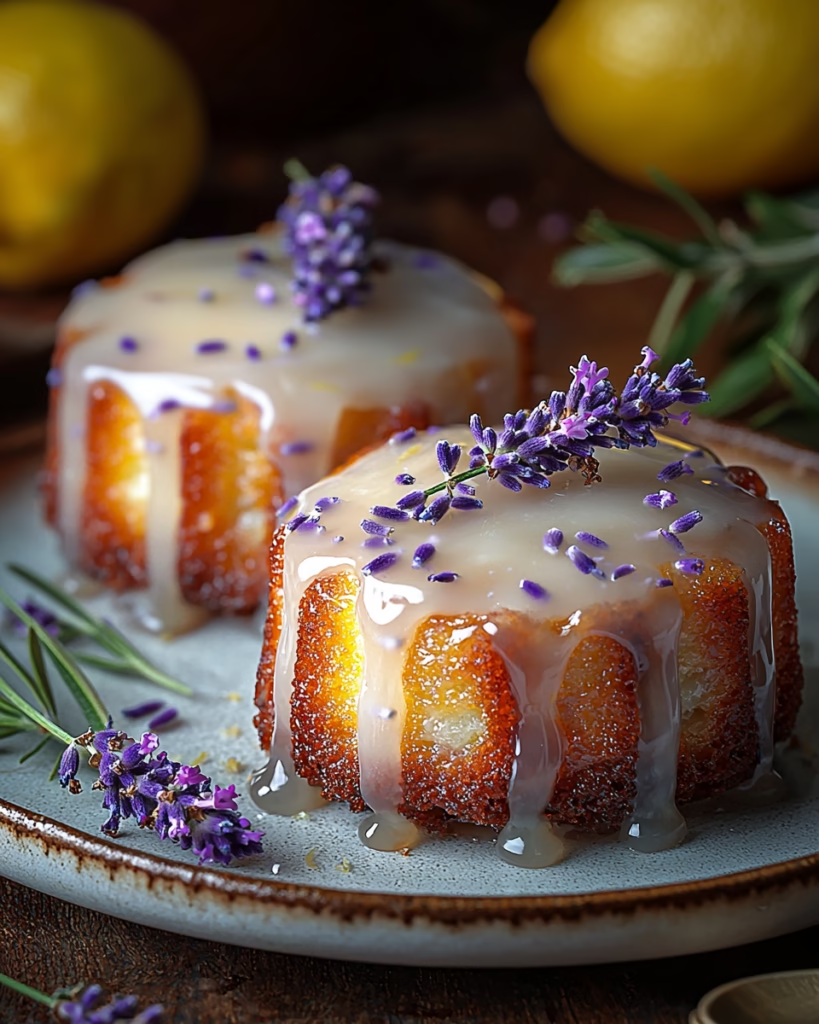
Mini Lemon Cakes with Lavender Glaze are delicate, golden-baked treats that capture the essence of spring in every bite. These bite-sized cakes are a harmonious blend of zesty citrus and subtle floral sweetness, combining the brightness of fresh lemons with the nuanced aroma of dried culinary lavender. Their origins trace to French boulangerie traditions, where miniature desserts elevate the dining experience with both elegance and flavor. Unlike standard cupcakes, these mini cakes are baked in intricate molds, ensuring a professional flourish without requiring advanced techniques. The lavender glaze, made by steeping the dried buds in warm milk to draw out their essence, transforms a simple dessert into a sensory journey—ideal for anyone craving a fresh, sophisticated touch to their baking repertoire.
Reasons to Try Mini Lemon Cakes with Lavender Glaze
These mini cakes offer a unique combination of accessibility and artistry. The lemon zest provides a lively, sunlit flavor that pairs beautifully with the lavender’s soft, herbal notes, creating a balance that feels both indulgent and refreshing. They require only basic baking tools but yield results worthy of any fine patisserie, making them perfect for home cooks who want to impress guests without spending hours in the kitchen. Whether you’re a beginner testing your skills or a seasoned baker seeking lightness in your dessert menu, these mini cakes adapt easily to seasonal ingredients and aesthetic customization. Their compact size makes them ideal for brunches, baby showers, or even a post-dinner palate cleanser.
Ingredients Needed to Make Mini Lemon Cakes with Lavender Glaze
For the moist lemon base:
- 1 1/3 cups all-purpose flour
- 1/2 tsp. kosher salt
- 1/8 tsp. baking soda
- 1/2 cup unsalted butter, softened (room-temperature for maximum fluff)
- 2/3 cup granulated sugar
- 1/3 cup light brown sugar, packed tightly (adds depth and moisture)
- 1 Tbsp. freshly grated lemon zest from 2 lemons, preferably organic (save the juice for optional lemon curd filling)
- 2 large room-temperature eggs (critical for proper emulsification)
- 1/4 cup sour cream, softened to room temperature (creates tender crumb)
- 1/4 cup whole milk, warmed slightly (enhances richness)
- 1 tsp. premium vanilla extract (preferably Madagascar bourbon)
For the fragrant lavender glaze:
- 1/4 cup whole milk (heated gently to avoid boiling)
- 1/2 tsp. culinary lavender buds (not potpourri or fresh lavender)
- 1 1/2 cups powdered sugar ( sifted to remove lumps)
- 1/4 tsp. fine sea salt (to counterbalance the sweetness)
- 1/8 tsp. French vanilla extract (adds dimension to the glaze)
- Edible flowers and extra lemon zest (fresh lavender stems if you’re confident in hand-straining)
Equipment essentials include two 6-cup mini cake trays (such as mini Bundt pans), a stand mixer with paddle attachment, and a fine-mesh strainer specifically for filtering the lavender glaze. When preparing ahead of time, remember to adjust the glaze steeping duration depending on altitude or kitchen climate to maintain optimal flavor extraction.
Instructions to Make Mini Lemon Cakes with Lavender Glaze – Step by Step
Step 1: Begin by preheating your oven to 325°F while you gather the batter components. Thoroughly lubricate two 6-cup mini cake trays with baking spray to account for the cakes’ tendency to cling to metal as they cool. In a shallow bowl, whisk together the flour, salt, and baking soda until fully combined—this step is crucial for even rising.
Step 2: Using a stand mixer, start the emulsification process by creaming softened butter with both granulated and brown sugars. Allow the mixer to work for 3 full minutes on medium speed, until the mixture becomes pale and airy. The inclusion of freshly grated lemon zest during this stage ensures the citrus oils are evenly distributed, creating a cake that sings with flavor.
Step 3: With the mixer on low, crack in the first egg. Scrape down the bowl with a spatula after each addition to maintain a uniform texture. Once you’ve incorporated the second egg, carefully add the lemon zest again to reactivate any residual oils that might have settled. This repetition deepens the citrus presence and gives the cakes their signature brightness.
Step 4: In a separate container, whisk together the sour cream, warm milk, and vanilla extract until homogenous. This dairy-rich mixture serves as your secondary wet ingredient, counterbalancing the dry components. Alternate adding the dry flour mixture and the wet sour cream-milk mixture into the creamed butter base, beginning and ending with flour. Take care not to overmix—once the ingredients are just incorporated, the batter is ready for baking.
Step 5: Divide the batter evenly into the prepared trays using either a piping bag or a small measuring cup. The even distribution ensures uniform baking and browning. Gently tap the trays against the counter to remove air bubbles that could create uneven textures during baking.
Step 6: Bake for 18-20 minutes, watching for the tops to form a light crust while the centers remain moist. Test with a toothpick inserted near the thinnest point of the cake—if it emerges clean, they’re ready. Allow the cakes to cool in the pan for 10 minutes before carefully flipping onto a wire rack for full cooling, preserving their intricate shapes without breakage.
Step 7: While the cakes cool, prepare the lavender-infused milk. Heat 1/4 cup of milk in a microwave-safe container for 1 minute to warm (not boil), then stir in the lavender buds. Let this aromatic infusion rest for the full 10 minutes, allowing the floral compounds to dissolve. After straining, use the liquid gradually in step 8, adjusting the quantity to achieve your preferred glaze consistency. A stiffer glaze coats better for presentation, while a thinner one drizzles beautifully for texture.
Step 8: In a medium bowl, sift the powdered sugar and fold in the sea salt and vanilla. Slowly add the lavender milk, 1 teaspoon at a time, as you stir in a figure-eight pattern. This careful incorporation maintains air pockets in the glaze, preventing density. Once the mixture reaches a smooth, pourable texture, transfer it to a piping bag for controlled drizzling over the cooled cakes.
Step 9: Once the glaze has set slightly for 30 minutes, add final garnishes. Gently sprinkle additional lemon zest for color and fragrance, and place edible flowers randomly among the cakes to create a rustic elegance. Store any leftover glaze in the refrigerator for up to a week, perfect for future baking projects.
Chef’s Tips for a Perfect Result
- Grate lemons by hand rather than using a zester—it captures more aromatic oils without over-zesting bitter pith
- For maximum visual impact, use a pastry brush to lightly dust cocoa powder on the wire rack before inverting baked cakes, creating a contrast with the glaze
- If using a gas oven, rotate the trays mid-baking to ensure even heat distribution and consistent doneness
- Experiment by adding 1/2 tsp. lemon juice to the glaze for an extra zing if you crave more citrus punch
- Chill the cakes for 30 minutes before glazing—cool temperatures make the glaze stick better without pooling
Variations and Substitutions
Vegan Alternative
Replace dairy by using vegan baking butter and coconut milk. The sour cream substitute works best with silken tofu blended with apple cider vinegar for the same creamy texture. For the glaze, substitute powdered sugar with a mix of coconut sugar and cornstarch to mimic the binding nature.
Gluten-Free Option
Swap all-purpose flour for a quality gluten-free blend containing xanthan gum. Ensure your stand mixer bowl is thoroughly wiped with a vinegar-water solution to prevent cross-contamination. The glaze remains unchanged unless using gluten-free powdered sugar to accommodate sensitivity concerns.
Low-Carb Version
Replace sugars with monk fruit powder and use almond flour instead of all-purpose. The butter substitution requires careful melting and cooling to avoid moisture issues in the batter. Steep lavender in almond milk for the glaze—its subtle sweetness pairs beautifully with the sugar-free base.
Tea-Infused Twist
Enhance the glaze by steeping lavender in Earl Grey or chamomile tea instead of plain milk, blending floral notes with caffeine or antioxidants. The cakes themselves remain unchanged, but the infusion adds extra complexity.
Budget Swap
Use margarine in place of butter and buttermilk for the sour cream alternative. These choices maintain a soft crumb structure while reducing costs. Ensure your buttermilk is mixed with a pinch of baking soda to neutralize acidity before combining with the batter.
How to Serve and Pair
These mini cakes make a stunning centerpiece when arranged in a tiered dessert board or vintage porcelain cupcake case. Pair them with iced Earl Grey tea for a classic French-inspired brunch complement of citrus and bergamot. For a modern twist, serve with fresh berries and whipped cream or alongside slices of fresh lemonade. Garnish platters with sprigs of fresh lavender or thyme for a visual connection to the flavors. Consider stacking them in a cake stand with alternating flavors like lemon curd–filled ones and plain to show off the glaze’s versatility for tea parties or garden events.
Storage and Reheating
Refrigerator: Cool completely first, then store in an airtight container at the back of your fridge for up to 5 days. The glaze may darken slightly during storage, but the flavor remains vibrant. To preserve the glaze, wrap an unused portion in wax paper before covering the container.
Freezer: Individually freeze cakes on a baking sheet for 1 hour, then transfer to a single layer in an oversized resealable freezer bag. Date the bag properly—the glaze should be applied separately when serving to maintain texture freshness. They keep for up to 2 months when frozen.
Room Temperature: Store in a decorative mesh basket or cooling rack for up to 4 hours in dry kitchens. In humid climates, use a paper-thin cake box to prevent condensation that could soften the glaze into a drizzle.
Reheating: For cakes without custard fillings, place in a 275°F oven for 8 minutes until warmed through. Avoid microwaving as it melts the glaze. If using glaze separately, apply it after reheating to maintain crispiness.
Nutritional Values
- Calories: 4.3 per serving (served in 2 dozen)
- Protein: 3.5g (primarily from eggs and sour cream)
- Carbohydrates: 52g (largely from both sugars in the recipe)
- Fat: 16g (softened butter creates tender texture)
- Fiber: 0g (no whole grains used in standard version)
These approximate nutritional values adjust depending on ingredient choices. For precise tracking, consider weighing ingredients or using a detailed nutrition calculator with your exact portion sizes.
Frequently Asked Questions
Can I use fresh lavender instead of dried for the glaze?
Yes, but use 1-2 fresh lavender stems and strain the milk carefully to avoid stem fragments. The floral intensity will be lighter compared to dried culinary lavender.
Why won’t my glaze drizzle smoothly?
Room-temperature batter is essential for proper glaze absorption. If the glaze remains too thick after adding all the lavender milk, try a small splash of milk at 50°F to adjust. The cakes must be fully cooled.
My cakes sank after baking—what went wrong?
Baking soda requires a balanced acid component in the recipe. Ensure your sour cream is still tangy and the mixing speed during flour incorporation was low to avoid deflating air bubbles from over-agitation.
Can I make the batter ahead of time?
Chill the prepared batter up to 24 hours in the refrigerator. When ready to bake, allow it to reach room temperature (20-30 minutes) but never freeze the batter as it compromises texture.
How to customize for a summer picnic?
Pair each cake with a small cone of vanilla ice cream for texture contrast and place them in a tiered wicker basket for easy transport. Add edible mint leaves to the glaze for extra cooling in the summer heat.
CONCLUSION
Mini Lemon Cakes with Lavender Glaze are a celebration of citrus and calm, blending the energy of spring with the serenity of the countryside. With their vibrant color and floral elegance, these cakes transform an ordinary kitchen into a place of joy and creativity. As the glaze cools on their surface, it forms a glistening testament to the power of thoughtful ingredients and careful steps—proving that even small treats can carry the weight of a story.
Print
Mini Lemon Cakes with Lavender Glaze
- Prep Time: 25
- Cook Time: 20
- Total Time: 45
- Yield: 24 mini cakes 1x
- Category: desserts
- Method: Baking
- Cuisine: French
- Diet: Vegetarian
Description
Delicate, golden-baked mini cakes with a zesty lemon base and fragrant lavender glaze, inspired by French boulangerie traditions. These elegant treats are perfect for spring, blending citrus and floral notes for a refreshing, sophisticated dessert.
Ingredients
1 1/3 cups all-purpose flour
1/2 tsp. kosher salt
1/8 tsp. baking soda
1/2 cup unsalted butter, softened
2/3 cup granulated sugar
1/3 cup light brown sugar, packed tightly
1 Tbsp. freshly grated lemon zest from 2 lemons
2 large room-temperature eggs
1/4 cup sour cream, softened to room temperature
1/4 cup whole milk, slightly warmed
1 tsp. premium vanilla extract
1/4 cup whole milk (heated gently for glaze)
1/2 tsp. culinary lavender buds
1 1/2 cups powdered sugar, sifted
1/4 tsp. fine sea salt
1/8 tsp. French vanilla extract
Edible flowers and extra lemon zest (for garnish)
Instructions
Preheat oven to 350°F (180°C)
Grease mini cupcake molds with butter or non-stick spray
In a bowl, whisk together flour, kosher salt, and baking soda
In a separate bowl, cream softened butter with granulated and brown sugars until light and fluffy
Beat in lemon zest, eggs, one at a time, then stir in vanilla extract
Alternately mix in half of the dry ingredients with a blend of sour cream and slightly warmed milk in a slow, steady stream
Divide batter evenly into prepared molds and bake for 18-20 minutes until golden and a toothpick inserted comes out clean
Cool completely on a wire rack
For the glaze, steep lavender buds in 1/4 cup warm milk for 5-7 minutes, strain, and compost solids
Mix 1 1/2 cups powdered sugar with 1/4 tsp. sea salt and 1/8 tsp. French vanilla extract
Gradually stir in strained lavender milk until glaze reaches a smooth drizzle consistency
Once cakes are cooled, drizzle glaze over each and garnish with edible flowers and lemon zest as desired
Notes
Use culinary lavender buds, never potpourri or fresh stems
Ensure molds are fully greased to avoid sticking; silicone molds yield professional results
Steep milk with lavender briefly to avoid astringency
Optional: Fill cakes with lemon curd for added indulgence
Store in airtight containers in the refrigerator for up to 3 days if unfilled
Nutrition
- Serving Size: 1 mini cake
- Calories: 150
- Sugar: 15g
- Sodium: 120mg
- Fat: 9g
- Saturated Fat: 5g
- Carbohydrates: 25g
- Fiber: 0g
- Protein: 2g
- Cholesterol: 25mg