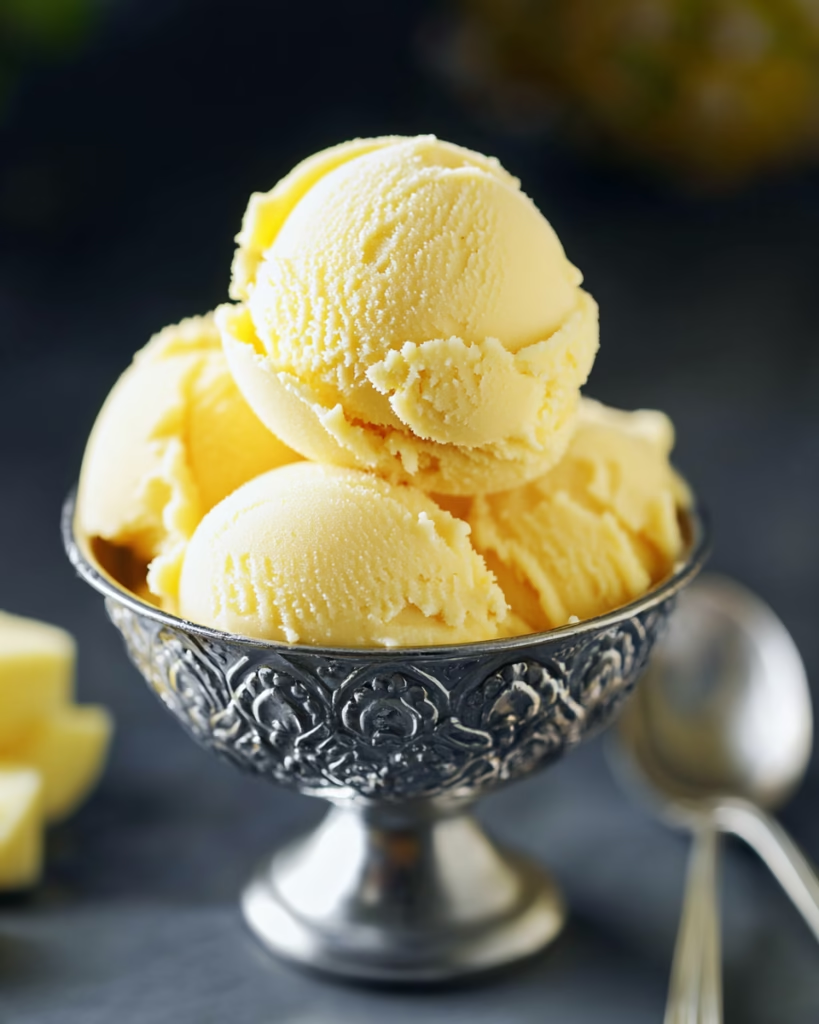
Pineapple sorbet is a sun-kissed whisper on the tongue, a dance of summer’s last ripe jewel captured in icy form. With its golden sweetness balanced by a tangy lime zing and coconut creaminess, this frozen delight feels like stealing a slice of the tropics without leaving your kitchen. Whether you’re craving a guilt-free dessert or a cooling respite from a cozy afternoon, pineapple sorbet becomes a canvas for memories—of childhood beach days or Sunday brunches where the scent of citrus and fruit lingered in warm sunlight.
Every scoop is a reminder that some of life’s greatest pleasures are simple. No churning machines, no endless prep hours—just fresh fruit, time in the freezer, and a splash of lime to awaken your senses. For those who find traditional desserts too rich, this vegan version offers liberation. It’s a recipe that invites you to slow down, savor the aroma of sweet pineapple as it blends, and relish the transformation from liquid to a fluffy, snow-drift consistency by your second step. Let’s bring the beach to your dining table.
What is Pineapple Sorbet?
Pineapple sorbet is a refreshing, dairy-free frozen dessert rooted in tropical traditions. Unlike its sorghum-based ancestors or the Italian ice cream innovations of the Renaissance, this version embraces modern simplicity using coconut milk and fresh fruit. It traces its origins to Caribbean islanders, who first combined native pineapples with lime juice for a cooling treat after long sea journeys. Today’s iterations honor that heritage but swap in coconut milk for a smooth, creamy base, avoiding the need for eggs or butter.
At its heart are three elements: ripe pineapple, bright lime juice, and nourishing coconut milk. The sugar dissolves into the fruit’s natural sweetness, creating a harmonious blend that’s more floral than candied. What sets it apart is its texture—neither icy nor dense, but a cloud-soft sorbet that melts like a warm breeze. Each ingredient carries meaning: the pineapple for its golden heartiness, lime to mimic ocean air, and coconut milk as a bridge to island soil.
Reasons to Try Pineapple Sorbet
This recipe is a love letter to efficiency. In a world where we race from grocery lists to dinner prep to cleanups, pineapple sorbet offers a 15-minute haven. No need to wait hours for churning or worry about melting ice cream. Simply blend, freeze, and scrape, and you’ll have a dish that feels like a luxurious pause. It’s the kind of recipe that fits into a weekend morning with your partner, or a last-minute fix for a summer picnic with friends.
Its vegan nature makes it a joy for plant-based eaters seeking indulgence without compromise. Coconut milk provides natural richness, while pineapple delivers vitamins and digestive fiber. But let’s be honest—we try it because it feels right. This is the kind of dessert that evokes memories of family picnics, where someone always handed you a wedge of pineapple and a spoonful of salted limeade. It’s comfort in a scoop, with none of the heaviness.
Ingredients Needed to Make Pineapple Sorbet
2 cups fresh pineapple chunks (or 4 cups frozen, thawed—let the fruit soften on the counter for 30 minutes first)
1/2 cup sugar (adjust based on ripeness—some days, the pineapple tastes like liquid sunshine, while others crave an extra gram)
1 tablespoon lime juice (use freshly squeezed for that sharp, clean acidity that no store-bought version can match)
1/2 cup coconut milk (full-fat for velvety texture, or light for a breezier finish)
Instructions to Make Pineapple Sorbet – Step by Step
Step 1: Begin by slicing the pineapple. Choose a speckled fruit with a sweet aroma—it should feel like a treasure in your hands. Dice the flesh into chunks, avoiding the tough core. If using frozen pineapple, spread it on a plate and let it thaw until it yields easily to a fork. This is the first act of care: preparing fruit that will become your frozen gem.
Step 2: Toss the pineapple chunks into a blender. Add sugar, lime juice, and coconut milk. Let the mixture sit for 5 minutes while you organize your kitchen. This brief rest allows the sugar to melt into the fruit’s juices, softening their acidic edges. When you’re ready, blend on low speed first to break down the chunks, then increase to high until the mixture becomes a smooth, golden liquid. Add a splash of water if it’s too thick—remember, this will freeze into a lighter texture.
Step 3: Pour the mixture into a shallow metal dish, ideally at least 10×12 inches. The wider surface helps the liquid freeze more evenly rather than forming a dense layer. Cover with a parchment paper sling for easy lifting later. Place in a freezer for one hour, checking periodically if you’re curious. The sorbet will begin to lose its liquid sheen and develop a faint sheen like wet sand by the shore.
Step 4: After the hour, reach for a fork. Scoop through the semi-frozen mass and scrape up the mounds of texture. This step is both practical and poetic—it creates the snowflakelike crystals that define sorbet. Return to the freezer for another 30 minutes, ensuring the texture firms just enough for scooping. Serve immediately for that soft-serve feel or wait overnight if you prefer a firmer bite.
Chef’s Tips for a Perfect Result
- Balance sweetness carefully: Taste the pineapple before adjusting sugar. Overloading the fruit’s natural flavor risks turning the sorbet into a cloying blob rather than a tropical revelation.
- Use chilled ingredients: Cold pineapple, lime, and coconut milk blend more efficiently. Warm components require extra blending time and risk over-liquefying the mixture before freezing.
- Scrape in wide, circular motions: This creates larger air pockets, mimicking the texture of a snow-covered beach. A frantic scrape might compact the sorbet into granita-style crystals.
- Add a touch of mint at the end: A couple of fresh leaves crumbled into the blender post-scrape add brightness and connect to the memory of family kitchens where herbs were always within reach.
- Chill your scoops briefly: Pop the serving dish into the freezer for 10–15 minutes before ladling. This ensures elegant portions without sticky mishaps.
Variations and Substitutions
Vegan Option (already vegan, but check for store-bought coconut milk brands labeled explicitly as plant-based)
Gluten-Free Alternative: Use coconut sugar instead of granulated to avoid any risk of gluten-contaminated processing equipment.
Low-Carb Version: Replace sugar with 1/4 cup powdered monk fruit or 1/3 cup coconut flour to absorb excess fruit moisture.
Budget Swap: Substitute coconut milk with oat milk for a lighter texture (add 1 teaspoon pureed dates to retain creaminess).
Flavor Boost: Add 1 teaspoon of lemongrass paste or 1/2 cup chopped fresh mango during the blending stage for a more complex profile.
How to Serve and Pair
This sorbet thrives on spontaneity. Scoop it into paper cones for a beach-bar aesthetic, or layer it in glass bowls for a modern twist. Pair with grilled tropical fruit skewers brushed with coconut aminos for a savory-sweet contrast. For brunch, top with passionfruit coulis and a dusting of toasted coconut flakes.
Consider serving it at sunset gatherings, where its golden hue mirrors firelight. It pairs beautifully with rum-free mango-lime granita or vegan coconut macaroons. For a heartwarming twist, serve it beside banana bread or spiced pumpkin pie to honor the tradition of desserts that bridge across seasons and palates.
Storage and Reheating
Refrigerator: Store in an airtight container for up to 24 hours. The texture will begin to flatten slightly, becoming less scoopable but still refreshing as a spooned dessert. Keep away from strong-smelling cheeses or curries—it should remain a scent of its own.
Freezer: Freeze in a sealed container for 3–4 months. Press plastic wrap directly onto the surface to prevent ice crystal formation.
Room Temperature: Allow leftovers to sit at room temperature for 10 minutes if you prefer softer scoops. Return to the freezer immediately afterward before serving to avoid bacterial growth.
Reheating: No reheating is required—serve it straight from the freezer. For a melty texture, let it soften briefly. If it stiffens, stir with a fork while still chilled to redistribute moisture.
Nutritional Values
- Calories: 120 per half-cup serving
- Protein: 1g
- Carbohydrates: 30g
- Fat: 3g
- Fiber: 1g
- Approximate values.
Frequently Asked Questions (FAQ)
Can I substitute coconut milk in pineapple sorbet?
Yes! Oat milk or almond milk work well, especially when you blend in 1/2 a ripe banana for creaminess. Coconut milk retains the dish’s tropical essence best but isn’t strictly required—creativity is the soul of this recipe.
How do I know when my pineapple sorbet is done freezing?
The perfect texture resembles wet sand: firm enough to hold a scoop but soft enough to scrape with a fork. Avoid letting it harden fully unless you plan to serve it as granita. A gentle press with your fingertip should leave a slight indentation.
Why does my pineapple sorbet taste grainy?
Graininess usually comes from undissolved sugar or over-blending during preparation. Try chilling your blender for 15 minutes before adding warm ingredients, or strain the mixture through a sieve after blending. Treat it as you would a cherished heirloom—gentle, deliberate, and full of patience.
Can I make this recipe in advance?
Absolutely. Freeze in an airtight container for 3–4 months. Label the date, as pineapples age gracefully but lose their electric zing over time. Re-blend briefly before serving if texture has compacted into a smoothie-like consistency.
What are some elegant ways to customize service?
Try caramelizing pineapple rings alongside scoops for visual and flavor balance. Dust with toasted sesame seeds for a tropical crunch, or infuse sorbet by leaving whole spices like cinnamon sticks in the base as it freezes. These tweaks honor the dish’s roots while adding a signature touch that feels uniquely yours.
Conclusion
Pineapple sorbet is more than dessert—it’s a pause, a story, a summer remembered. With each scoop, you carry forward traditions of joy and resourcefulness. Let the golden chunks and white frost of this treat melt slowly in your mouth, and you’ll understand why the best meals are often the simplest. This recipe promises a burst of sunshine and the comforting knowledge that love lives in the tiniest details, from the lime’s squeeze to the final fork-scrape that turns liquid into legend.
Print
Pineapple Sorbet [15 Minutes]: Delight in a Quick Refresh!
- Prep Time: 15
- Total Time: 165
- Yield: 4 servings (1/2 cup each) 1x
- Category: desserts
- Method: Freezing
- Cuisine: Caribbean
- Diet: Vegan
Description
A dairy-free tropical delight with ripe pineapple, zesty lime, and creamy coconut milk. Light, refreshing, and perfect for summer, this vegan sorbet takes just 15 minutes of prep before churning in the freezer.
Ingredients
2 cups ripe pineapple, fresh or thawed frozen
3 tablespoons freshly squeezed lime juice
1 cup full-fat coconut milk
3 tablespoons organic cane sugar (adjust to taste)
1 teaspoon lime zest (optional, for aroma)
Instructions
Chop pineapple into large chunks and process in a food processor until smooth
Transfer pineapple purée to a bowl and stir in lime juice, coconut milk, and sugar until sugar dissolves
Chill the mixture in the refrigerator for 15 minutes
Pour into a shallow metal container and place in the freezer for 1–2 hours, or until partially frozen
Remove and use a fork to vigorously scrape and swirl the sorbet until it reaches a soft-serve consistency
Return to the freezer for 1 hour to firm up
Notes
Use overripe pineapple for maximum natural sweetness
For a creamier texture, chill the mixing bowl and food processor blades beforehand
Store in an airtight container in freezer for up to 3 weeks
Add 1/4 cup crushed macadamia nuts or toasted coconut flakes if desired
Nutrition
- Serving Size: 1/2 cup
- Calories: 140
- Sugar: 20g
- Sodium: 90mg
- Fat: 5g
- Saturated Fat: 4g
- Carbohydrates: 28g
- Fiber: 2g
- Protein: 1g
- Cholesterol: 0mg